Search engine optimization is a long-term game that requires a strong foundation of high-quality content and authoritative signals. Among those signals, backlinks remain one of the most heavily weighted ranking factors for major search engines. A backlink acts as a vote of confidence from one website to another, indicating that the content is valuable and trustworthy.
However, acquiring these links manually is a notoriously slow and resource-intensive process. Writing guest posts, conducting email outreach, and negotiating placements can consume hundreds of hours a month. This bottleneck leads many website owners and digital marketers to look for ways to scale their efforts.
Scaling your link acquisition safely is entirely possible if you understand the mechanics of the industry. This guide explains everything a beginner needs to know about purchasing links at scale. You will learn what bulk backlinks are, the strategic benefits they provide, how to acquire them safely, and the common pitfalls that can harm your website’s search visibility.
Introduction to Link Building
Link building is the practice of acquiring hyperlinks from other websites to your own. A hyperlink allows users to navigate between pages on the internet seamlessly. Search engines crawl these links to discover new web pages and determine how well a page should rank in their results.
When an external website links to your domain, search engines interpret this as a signal of authority. Websites with a high volume of quality backlinks tend to rank higher for competitive search terms. The key word here is “quality.” Not all links carry the same weight. A link from a highly respected industry publication provides significantly more ranking power than a link from an obscure, newly registered domain.
Developing a robust backlink profile requires a strategic approach. You must consider the authority of the linking domain, the relevance of the linking page to your specific niche, and the anchor text used in the hyperlink. Balancing these elements manually requires dedicated teams and significant budgets, which drives the demand for streamlined link building solutions.
What are Bulk Backlinks?
Bulk backlinks refer to the process of acquiring a large volume of links through a centralized agency or service provider, rather than building them one by one through personal outreach. Instead of spending weeks pitching individual bloggers and webmasters, you partner with a service that has already established an outreach infrastructure.
These providers typically offer tiered packages based on the number of links, the Domain Rating (DR) of the target websites, and the turnaround time. For example, a package might include 50, 150, or even 500 high-DR backlinks placed over a specific timeframe. The agency handles the prospecting, negotiation, content creation, and placement from start to finish.
It is important to differentiate between modern bulk link building and outdated spam tactics. In the past, buying links in bulk often meant paying for thousands of automated profile links or directory submissions. Today, reputable services secure contextual placements on real websites with genuine organic traffic, utilizing manual and automated outreach to scale the process safely.
The Benefits of Buying Bulk Backlinks
Purchasing links at scale offers several distinct advantages for growing businesses, startups, and established enterprises looking to dominate their search verticals.
Accelerated Organic Growth
Building links manually takes months to show tangible results. By utilizing an established infrastructure, you can secure dozens or hundreds of high-quality placements in a matter of weeks. This accelerated acquisition timeline often translates to a faster increase in keyword rankings and organic traffic. Many website owners see noticeable movements for commercial keywords within 30 to 60 days of a completed campaign.
Done-For-You Execution
Outreach requires specific skills, including copywriting, negotiation, and project management. When you purchase a bulk package, the agency handles the tedious execution end-to-end. You do not need to hire in-house outreach specialists, manage freelance writers, or track email response rates. This allows your internal team to focus on overarching strategy, product development, and technical SEO.
Niche-Specific Relevance
Search engines heavily favor contextual relevance. A link from a technology blog carries more weight for a software company than a link from a generic news aggregator. Premium link building services understand this nuance and focus on securing placements from domains that are topically aligned with your industry, maximizing the SEO impact of every acquired link.
How to Safely Buy Bulk Backlinks
The SEO industry is filled with service providers promising overnight success. Protecting your website from search engine penalties requires a careful, educated approach to purchasing links.
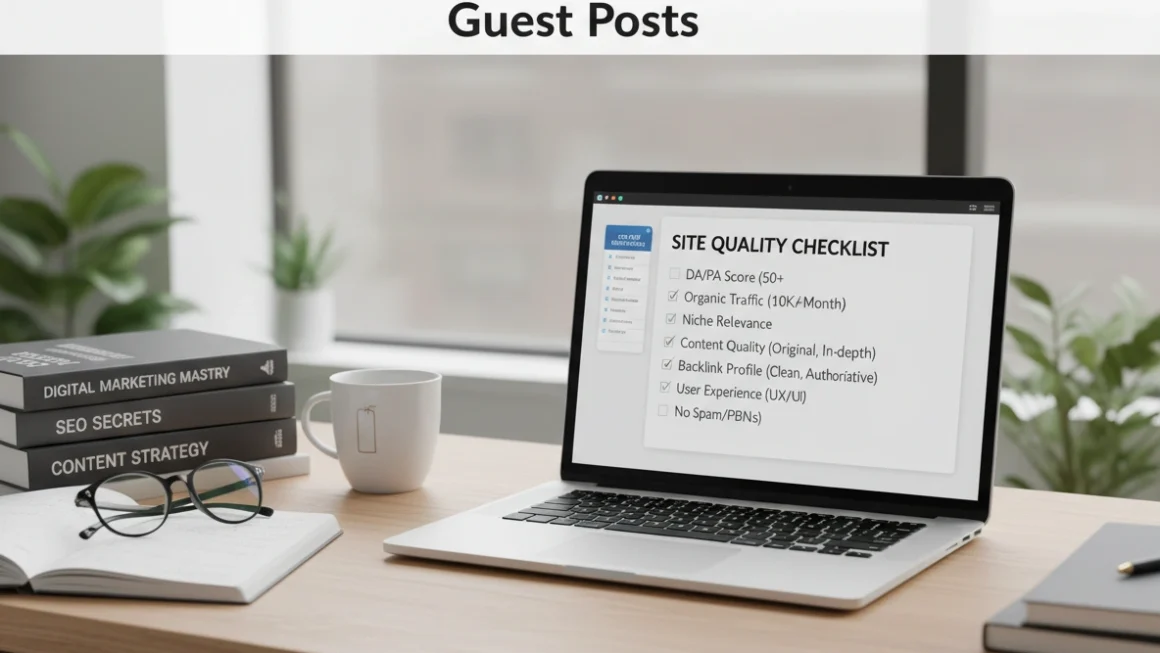
When you decide to Buy Bulk Backlinks, you must choose a partner that operates strictly within safe, white-hat parameters. Look for agencies that guarantee placements on real websites with genuine organic traffic. Avoid any service that utilizes Private Blog Networks (PBNs) or link farms, as these tactics are easily identifiable by search algorithms and will eventually lead to manual actions or algorithmic downgrades.
Transparency is a hallmark of a trustworthy provider. They should offer clear pricing structures, detailed delivery reports, and guarantees. For instance, a reputable agency might offer a 30-day money-back guarantee and provide a live tracking dashboard so you can monitor your link placements in real-time. Verify their indexation rates and ask about their minimum Domain Rating thresholds to ensure you are receiving high-value assets.
Common Pitfalls to Avoid
Many beginners make critical errors when attempting to scale their link building efforts. Being aware of these common traps will protect your domain’s reputation and your marketing budget.
Focusing Solely on Quantity over Quality
A common mistake is chasing the highest number of links for the lowest possible price. Five contextual links from authoritative, relevant websites will always outperform 5,000 links from low-quality directories and spam comments. Prioritize Domain Rating (DR) and the organic traffic of the linking site over sheer volume.
Over-Optimizing Anchor Text
Anchor text is the clickable text in a hyperlink. While it helps search engines understand the context of the linked page, using exact-match keywords too frequently looks unnatural. If 90% of your backlinks use the exact phrase “best accounting software,” search algorithms will likely flag your site for manipulation. Maintain a natural, diverse anchor text profile that includes branded terms, naked URLs, and varied descriptive phrases.
Ignoring Domain Relevance
A link must make sense contextually. Securing a high-authority link from a fitness website will do little to boost the rankings of a financial consulting firm. Search engines evaluate the relationship between the linking page and the destination page. Always insist on niche-specific placements to ensure the link equity transfers effectively to your domain.
Best Practices for Beginners
To maximize the return on your investment, integrate your bulk link building strategy with solid fundamental SEO practices.
Audit Your Existing Content
Before initiating a large-scale link campaign, ensure your target pages are highly optimized. The content must fulfill search intent, load quickly, and provide a superior user experience. Sending powerful backlinks to thin, poorly written pages will yield diminishing returns.
Diversify Your Link Profile
A healthy backlink profile looks organic. While buying bulk packages is an excellent way to secure contextual links, you should also naturally earn links through high-quality assets like original research, infographics, and comprehensive guides. A mix of dofollow and nofollow links also contributes to a natural-looking profile.
Track and Measure Performance
Use analytics platforms to monitor the impact of your campaigns. Track the movement of your target keywords, observe changes in overall organic traffic, and monitor the indexation status of your new backlinks. Setting baseline metrics before the campaign starts will allow you to accurately measure the return on your investment after 30 to 60 days.
Taking Your Next Steps in SEO
Scaling your organic traffic does not have to be an agonizingly slow process. By leveraging the infrastructure of reputable link building services, you can acquire high-authority, niche-relevant placements that move the needle for your most competitive commercial keywords.
Success in link building requires a commitment to quality, a clear understanding of relevance, and a strategic approach to anchor text distribution. Focus on securing placements on real websites with genuine traffic, and strictly avoid shortcuts like PBNs or link farms that jeopardize your long-term viability.
Review your current search visibility, identify the pages that need a competitive push, and establish a budget for your outreach efforts. With a safe, white-hat approach to acquiring links at scale, you can build a formidable backlink profile that drives sustainable organic growth for years to come.