Capturing and maintaining student attention remains one of the most significant challenges educators face. Traditional lectures and paper-based assessments often struggle to compete with the interactive digital experiences students engage with daily. To bridge this gap, educators need tools that seamlessly blend learning with interactivity.
Integrating digital platforms into your curriculum offers a powerful solution to this challenge. This article explores the pedagogical advantages of using digital quiz platforms, specifically focusing on how they enhance engagement, streamline assessments, and build collaborative environments. You will learn practical strategies to implement these tools and discover how they support both teaching objectives and administrative goals.
Elevating Student Engagement Through Gamification
Active participation is the cornerstone of effective learning. When students passively receive information, retention rates plummet. Interactive platforms solve this problem by introducing gamification into the learning process. Gamification applies game-design elements—such as point scoring, competition, and rules of play—to educational settings.
When educators utilize interactive quizzes, they transform routine reviews into dynamic challenges. Students no longer view quizzes as stressful evaluations but as opportunities to test their knowledge in a low-stakes, highly engaging format. The visual feedback, timers, and point systems trigger intrinsic motivation. Students want to improve their scores, which naturally drives them to pay closer attention to the core material.
Furthermore, this format caters to various learning preferences. Visual and kinesthetic learners benefit from the interactive nature of clicking through questions and receiving immediate visual cues. By turning a standard worksheet into an interactive experience, you create an environment where students actively want to participate.
Delivering Real-Time Feedback and Assessment
One of the most valuable assets for any educator is actionable data. Traditional grading consumes hours of valuable planning time, and the delay between a student taking a test and receiving the grade diminishes the learning impact. Interactive quiz platforms provide a much-needed alternative through instant analytics.
As students answer questions, teachers receive real-time updates on their progress. This immediate feedback loop is crucial for formative assessment. If a majority of the class misses a specific question about fractions, the teacher sees this trend instantly. Instead of waiting until the next day to correct the misunderstanding, the educator can pause the activity and clarify the concept immediately.
For school administrators, the data generated by these platforms provides broader insights into student performance. Administrators can look at aggregated data to identify curriculum gaps across different classrooms or grade levels. This data-driven approach empowers schools to make informed decisions about professional development and resource allocation.
Fostering Collaborative Learning Environments
While quizzes often imply solitary work, digital platforms offer robust opportunities for teamwork. Collaborative learning encourages students to articulate their thought processes, defend their answers, and learn from their peers.
Many interactive platforms feature team modes where students must work together to achieve a high score. In these scenarios, communication becomes just as important as subject knowledge. Students discuss the potential answers, debate the reasoning, and reach a consensus before submitting their response. This process deepens their understanding of the material and develops critical soft skills like negotiation and active listening.
Even in individual modes, the shared experience of participating in a live quiz builds classroom camaraderie. Students celebrate their successes together and encourage one another when they miss a question. This shared digital experience creates a positive classroom culture where learning feels like a collective journey rather than an isolated task.
Practical Ways to Integrate the Platform into Lesson Plans
Understanding the benefits is only the first step; successful implementation requires deliberate planning. Educators can seamlessly weave interactive quizzes into various stages of the instructional cycle.
Conducting Formative Assessments
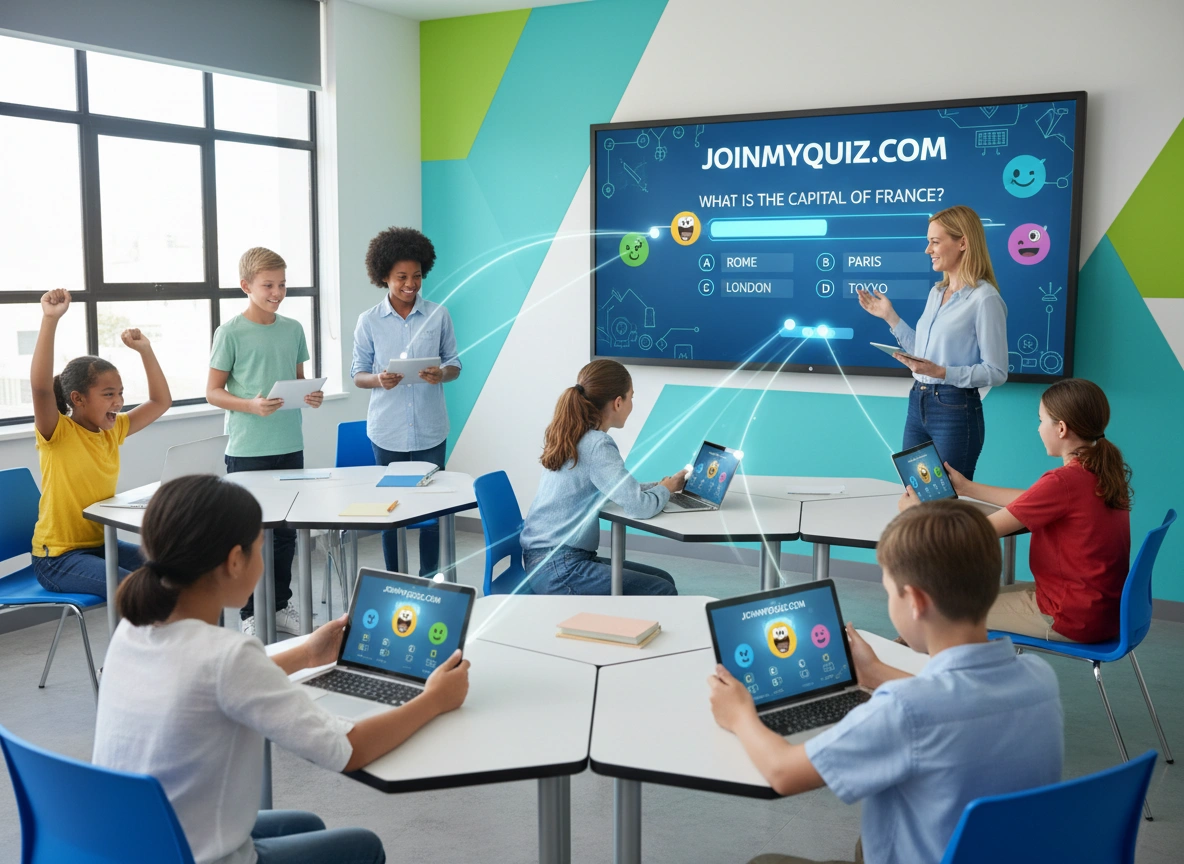
Start your class with a brief, five-question quiz covering the previous day’s material. This serves as a warm-up activity that settles the students and activates their prior knowledge. The instant results tell you exactly what you need to review before introducing new concepts. You can easily direct students to join my quiz.com to access these daily warm-ups quickly, ensuring no instructional time is wasted on complicated setups.
Revitalizing Review Sessions
Unit reviews often feel tedious. Transform them by creating comprehensive interactive quizzes that cover the entire unit. You can organize a tournament-style review session over a few days leading up to the final exam. The competitive element encourages students to study outside of class so they can perform better during the live sessions.
Supporting the Flipped Classroom Model
For educators utilizing a flipped classroom approach, interactive quizzes serve as excellent accountability tools. After students watch a lecture video or read a chapter at home, they can complete an asynchronous quiz. When you review the data before class begins, you know exactly which concepts confused them. You can then dedicate your valuable in-person class time to targeted problem-solving and deep discussions rather than re-teaching the entire lesson.
Enabling Differentiated Instruction
Every classroom contains a wide spectrum of learning speeds and comprehension levels. Differentiated instruction requires teachers to tailor their methods to meet these diverse needs, a task that often feels overwhelming. Interactive platforms simplify this process by offering self-paced modes.
In a self-paced quiz, students answer questions at their own speed. Advanced learners can move quickly through the material without feeling held back by the rest of the class. Meanwhile, students who need more time to process the questions can do so without the anxiety of a ticking clock or the pressure of keeping up with faster peers.
Educators can also duplicate quizzes and easily modify them for different reading levels. You might create one version with complex vocabulary and another with simplified language or additional visual aids. Both groups engage with the same core concepts, but the delivery adjusts to their specific learning requirements.
Reducing Educator Burnout Through Shared Resources
Teacher burnout is a critical issue that administrators must actively manage. The pressure to constantly create new, engaging materials contributes significantly to this exhaustion. Digital quiz platforms alleviate some of this burden by offering extensive libraries of pre-made content.
Educators do not need to build every quiz from scratch. They can search vast databases for quizzes created by other teachers around the world. Whether you need a quiz on the American Revolution, basic algebra, or cell biology, you can find existing templates. You can then clone these quizzes and quickly customize them to fit your specific lesson plan. This sharing of resources saves countless hours of preparation time, allowing teachers to focus their energy on direct student interaction and relationship building.
Conclusion
Integrating interactive digital platforms into your educational strategy offers profound benefits for both teaching and learning. By leveraging these tools, educators can dramatically increase student engagement through gamification, foster a collaborative classroom culture, and gather real-time data to drive instruction. Furthermore, the flexibility of these platforms supports differentiated instruction and reduces the planning burden on teachers.
To maximize the impact of your lessons, start small. Choose one upcoming unit and replace a traditional worksheet with an interactive digital quiz. Observe how your students respond and use the data to guide your next instructional steps. Embracing these technologies empowers educators to create dynamic, responsive, and highly effective learning environments.